
CONCUSSION TREAMENT ON THE GOLD COAST.
Comprehensive assessment and treatment for acute and ongoing concussion symptoms.
Do you experience:
Headaches?
Dizziness?
Neck pain?
Fatigue?
Light or noise sensitivity?
CONCUSSION CONDITIONS WE TREAT:
-
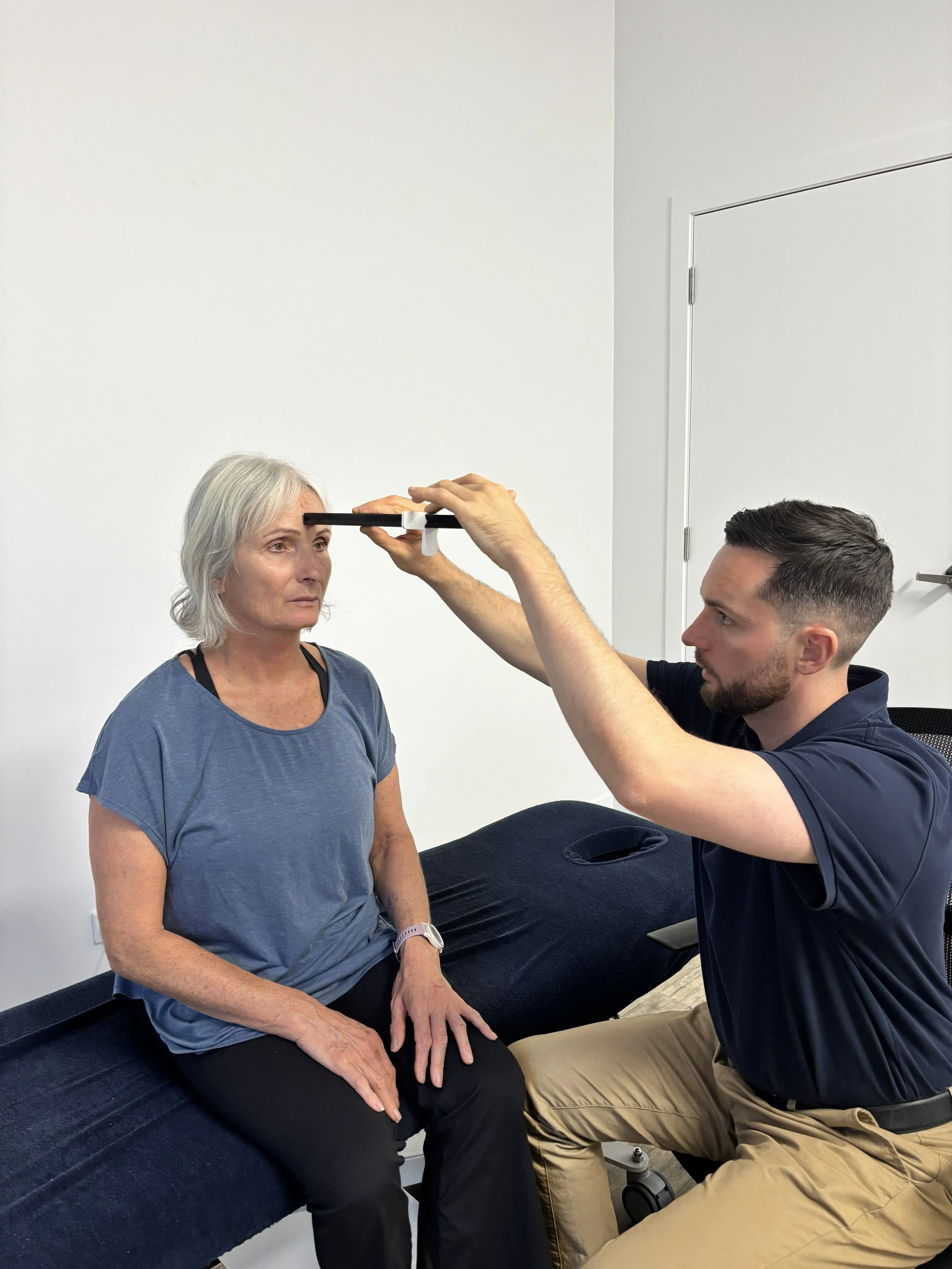
Acute Concussion
-
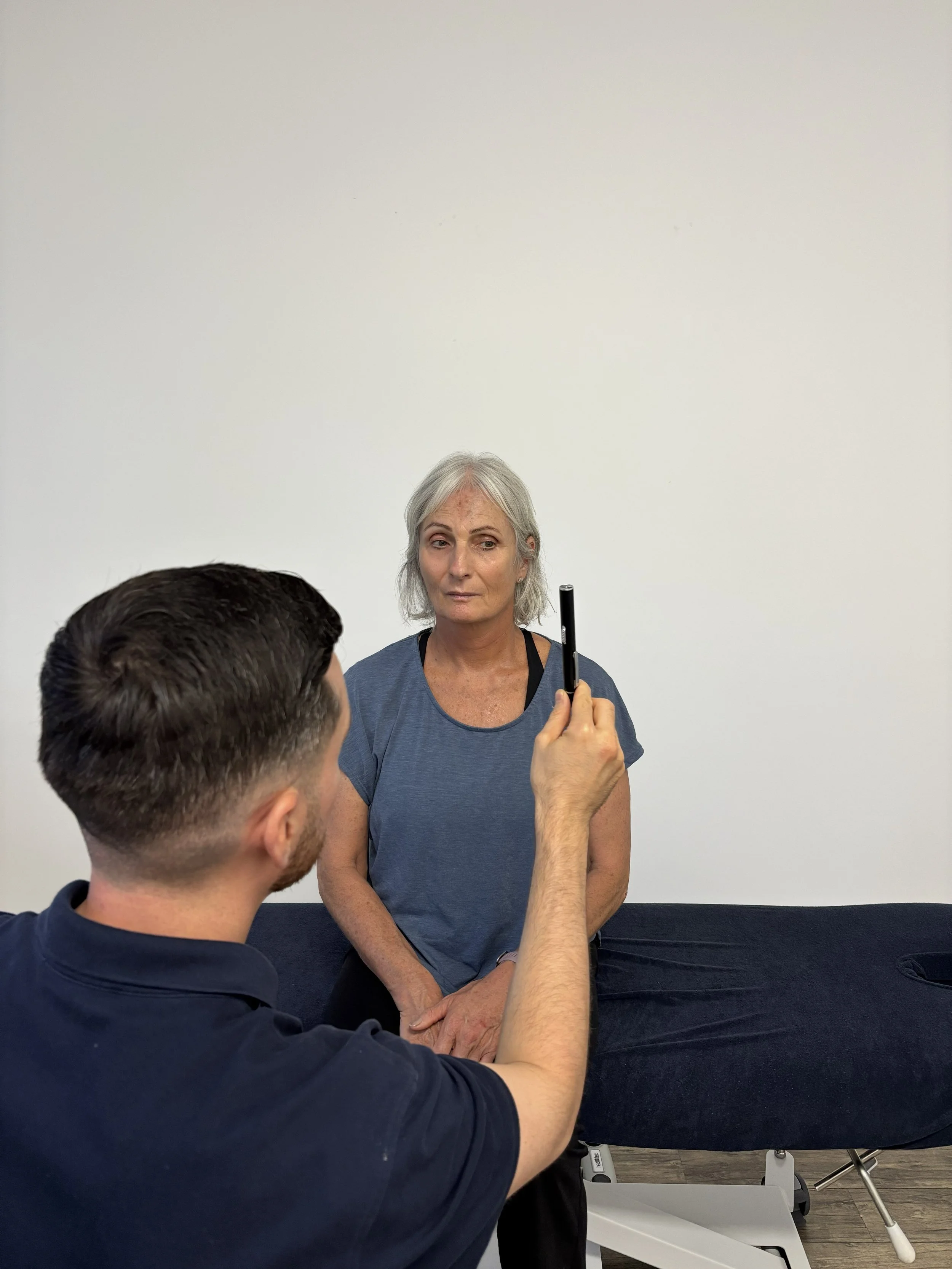
Persistent Concussion Symptoms (PCS)
-
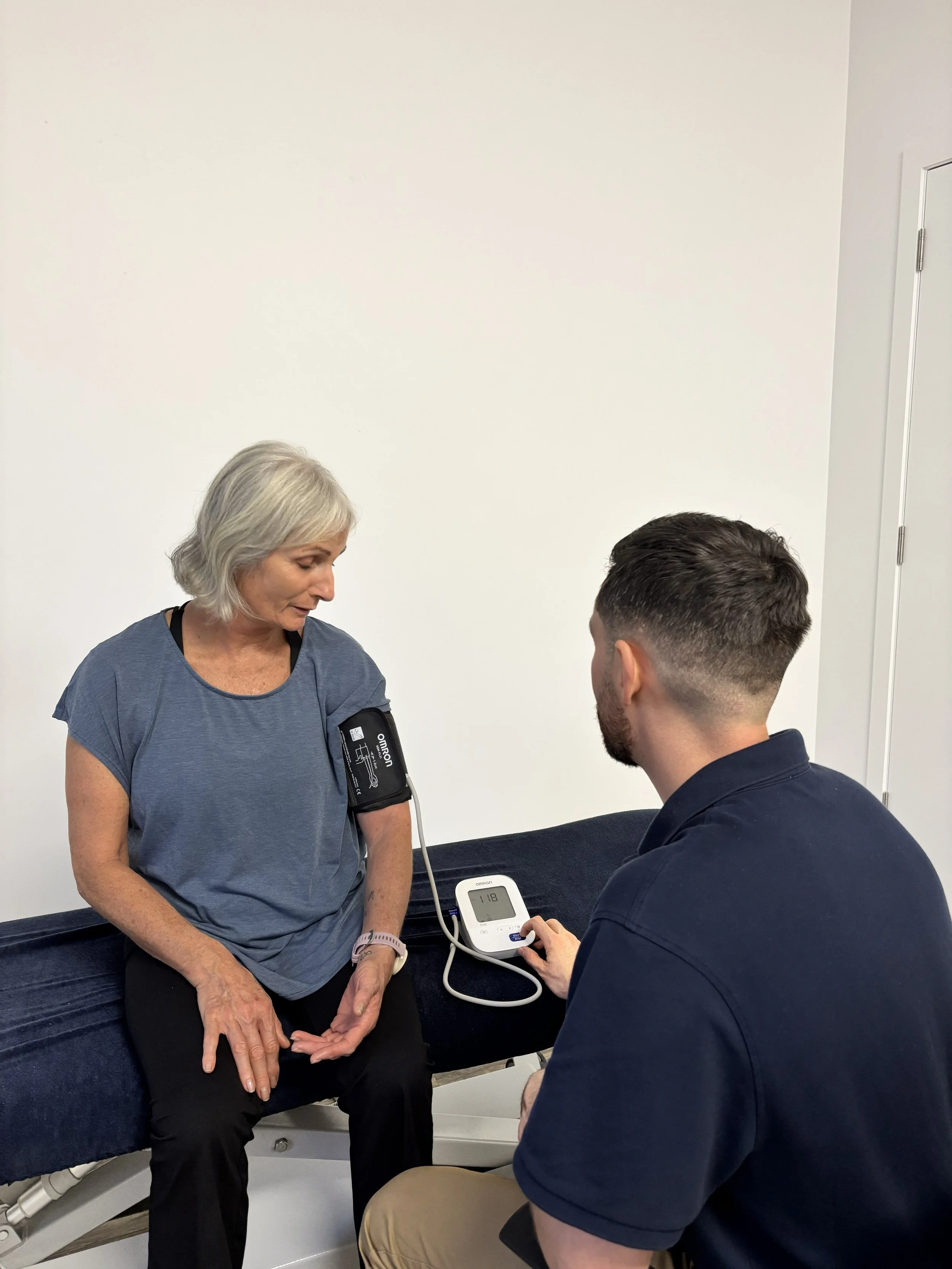
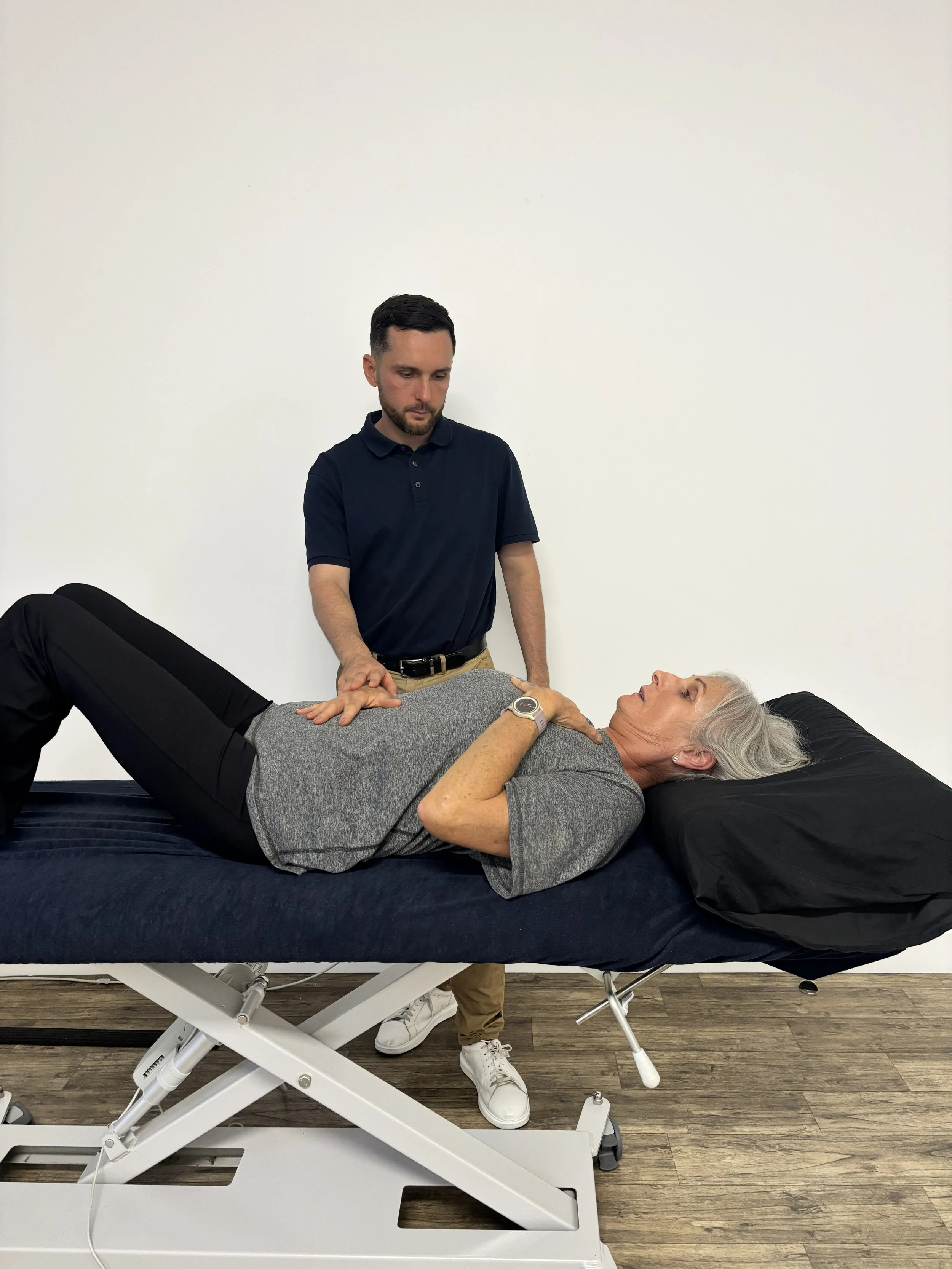
Autonomic Dysregulation (PCS)
-
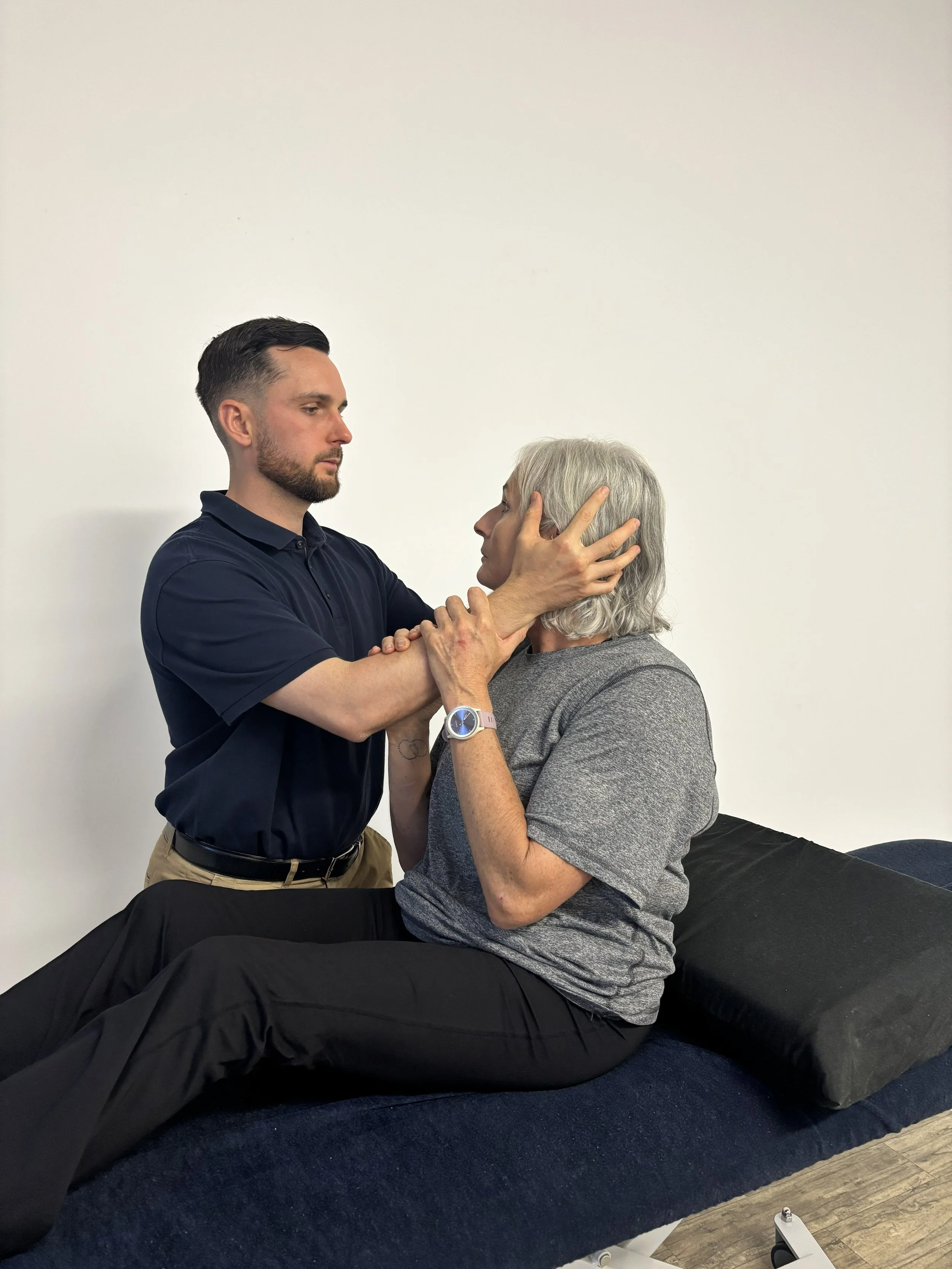
Cervical / Visual & Vestibular (PCS)
HOW CAN OSTEOPATHY WITH CONCUSSION?
Rest is no longer the best approach to concussion care.
An Osteopath can play an important role in concussion management by identifying and addressing the different systems that may be contributing to ongoing symptoms.
Concussion is no longer managed with rest alone. Current evidence shows that symptoms are often driven by a combination of factors including the neck (cervical spine), balance system (vestibular), vision, nervous system regulation, and brain blood flow.
An detailed assessment focuses on identifying your individual “symptom drivers”—rather than treating concussion as a single condition. This may include assessing neck function, movement tolerance, balance, eye-head coordination, and how your body responds to activity
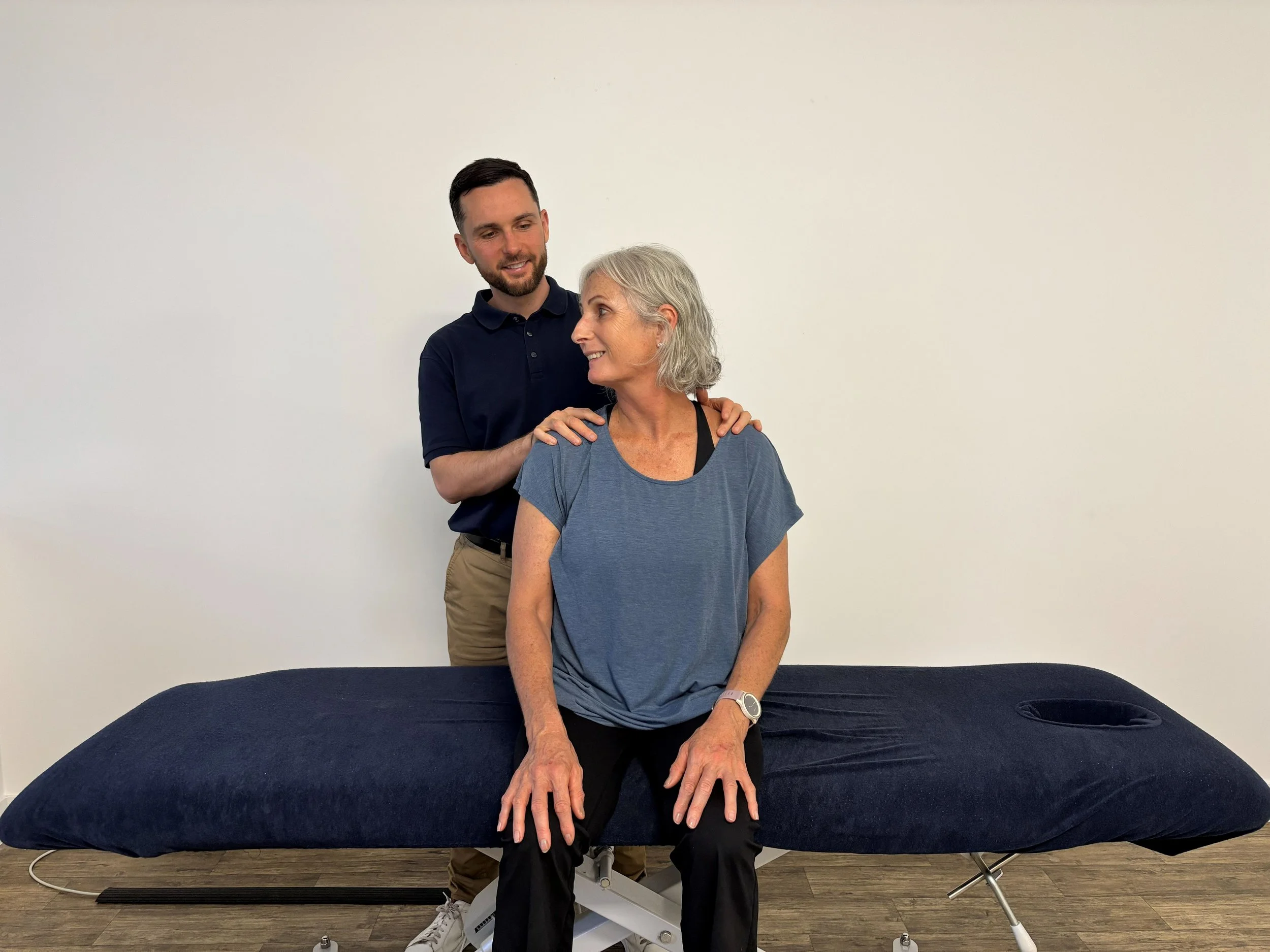
WHAT TO EXPECT FROM TREATMENT:
-
01. HISTORY & ASSESMENT
Understanding your symptoms Then targeted clinical testing.
-
02. EXPLANATION & PLAN
Clear explanation of findings and next steps
-
03. TREATMENT & REHAB
Hands-on care + exercise-based recovery plan
-
04. LIFESTYLE OPTIMISATION
Sleep, nutrition, stress management, supplementation
FREQUENTLY ASKED QUESTIONS
Still have questions? Contact us directly below
-
No. While a short period of rest (24–48 hours) is recommended, prolonged rest is no longer considered effective. Gradual, guided return to activity has been shown to improve recovery outcomes.
-
Yes. The force that causes a concussion often also affects the neck (similar to whiplash). Neck dysfunction can contribute to symptoms like headaches, dizziness, and fatigue, which is why it is important to assess and treat both
-
There is no single treatment. The most effective approach is individualised and multi-system, including exercise therapy, vestibular rehabilitation, manual therapy, and symptom-guided progression based on your presentation
-
Most people recover within 2–4 weeks, but some may experience persistent symptoms. Early assessment and targeted treatment can help reduce the risk of prolonged recovery
-
You should seek assessment if:
Symptoms persist beyond a few days
You experience ongoing dizziness, headaches, or brain fog
Symptoms worsen with activity
You are unsure when it is safe to return to work, sport, or exercise
Early, guided care can help identify the cause of symptoms and support a safer recovery process
START YOUR CONCUSSION RECOVERY TODAY:
If you’re experiencing concussion symptoms a structured assessment can help provide clarity and direction.
Early assessment can make a meaningful difference in understanding what may be contributing to your symptoms and how to move forward.