
JAW PAIN (TMD) TREAMENT ON THE GOLD COAST.
Comprehensive assessment and treatment for jaw pain (TMD)
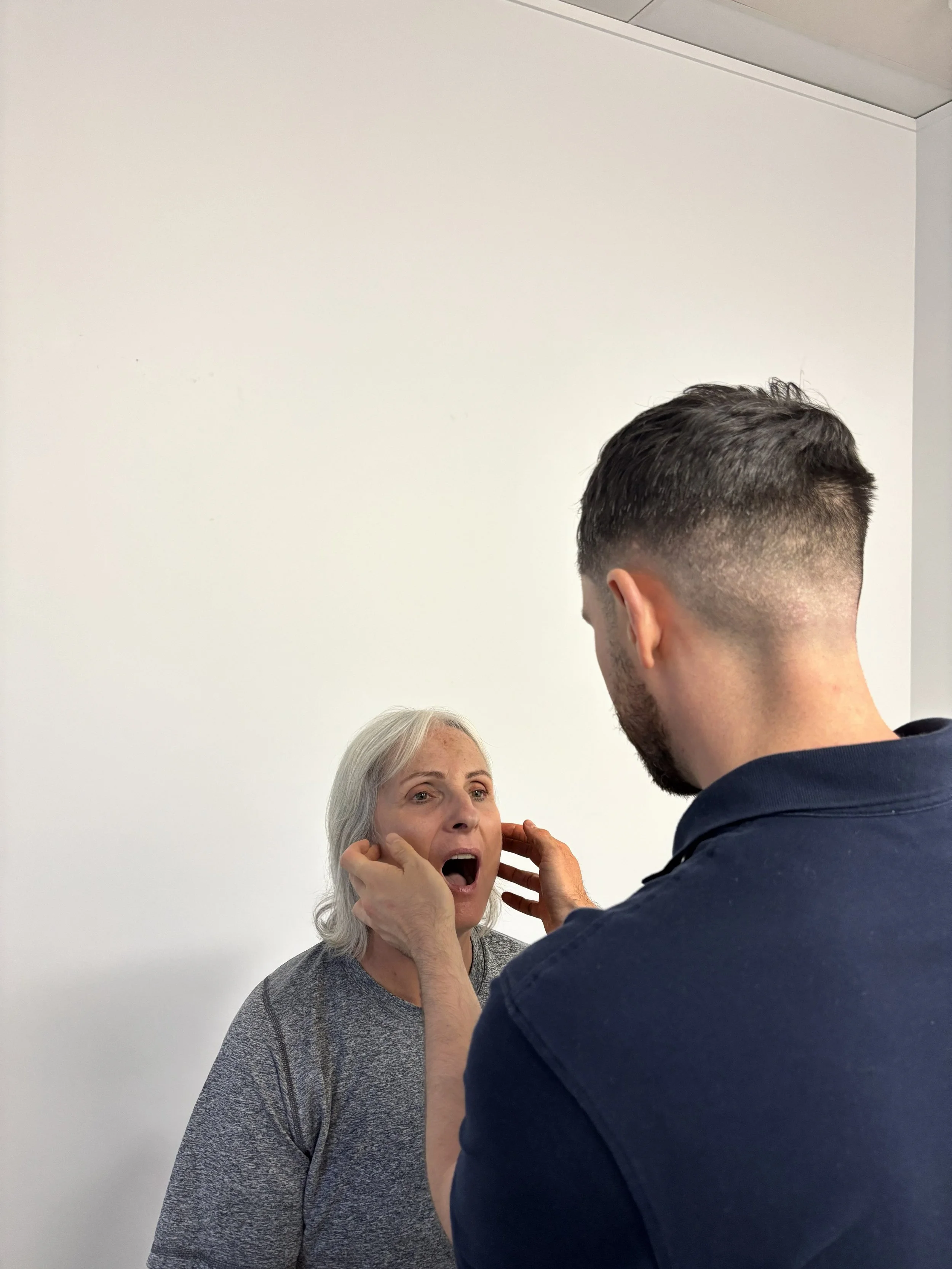
Do you experience:
Pain or tenderness in the jaw?
Clicking in the jaw?
Difficulty with mouth opening?
Grinding at night?
Headaches associated with jaw pain?
JAW (TMD) CONDITIONS WE TREAT:
-
Muscle Related Jaw Pain
-
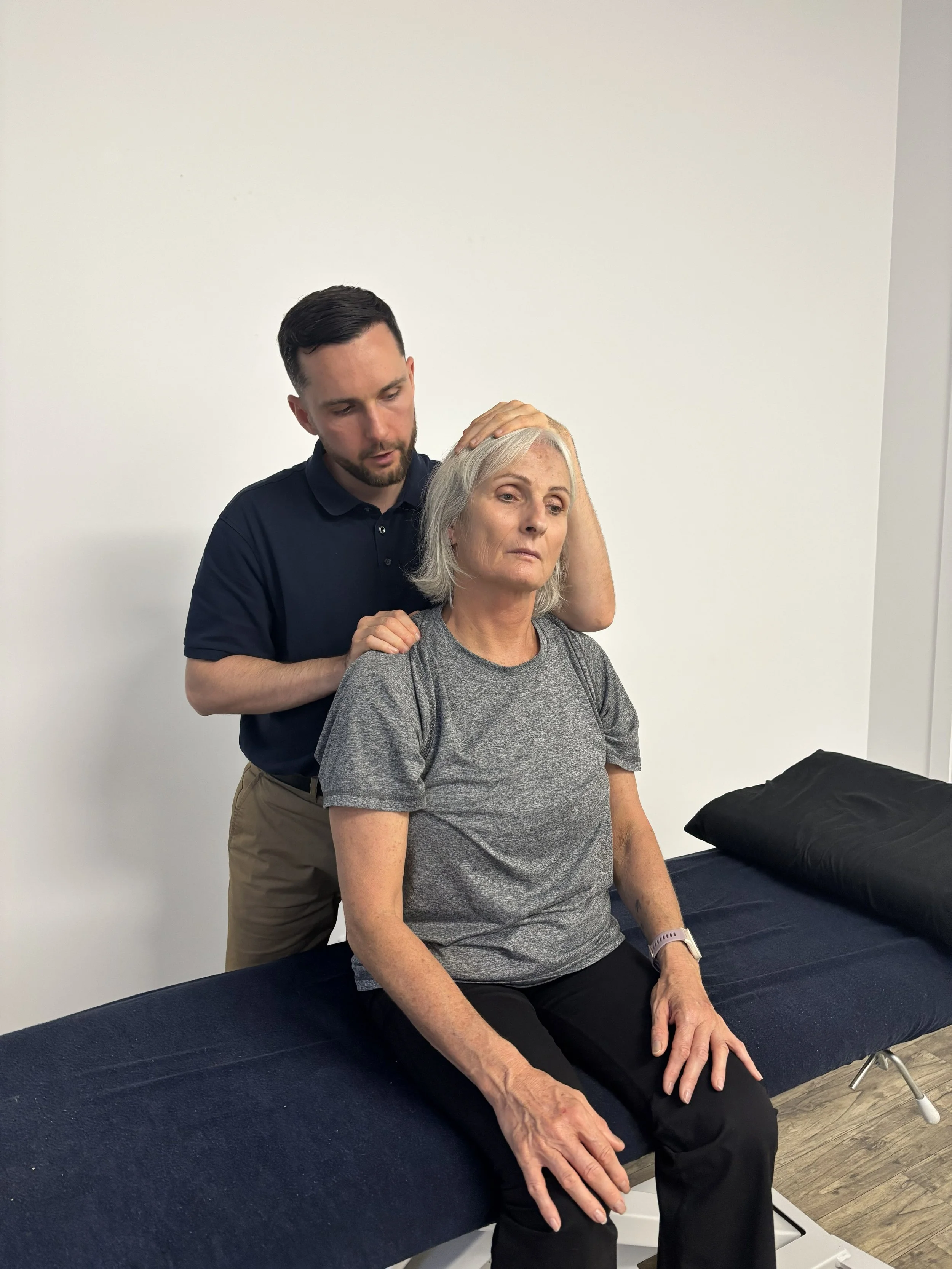
Neck Related Jaw Pain
-
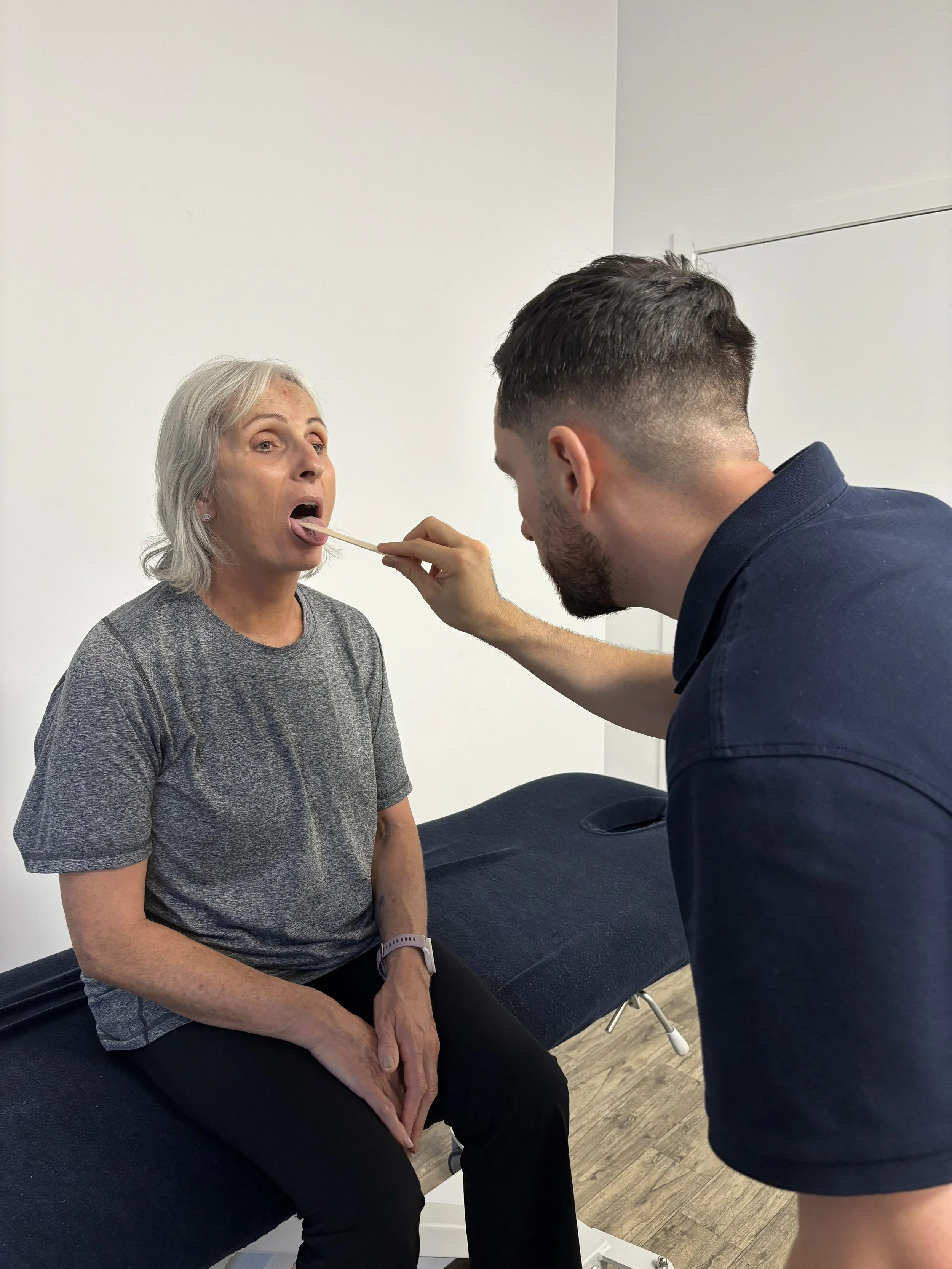
TMJ Joint Disorder
HOW CAN OSTEOPATHY HELP WITH JAW PAIN?
Not all jaw pain is purely a local issue in the jaw.
For many people, jaw pain is influenced by how the jaw, neck, muscles, and nervous system are functioning together.
The jaw plays an important role in everyday activities such as speaking and chewing, and works closely with the neck and surrounding muscles. If these areas become sensitive, overloaded, or are not moving well, they may contribute to ongoing pain, tension, or clicking.
In some cases, factors such as clenching, grinding, stress, sleep quality, and daily habits can also influence how the jaw feels, including the frequency and intensity of symptoms.
The goal is not just to treat the area of pain itself, but to understand and address the factors that may be contributing to how your jaw is moving, loading, and responding over time.
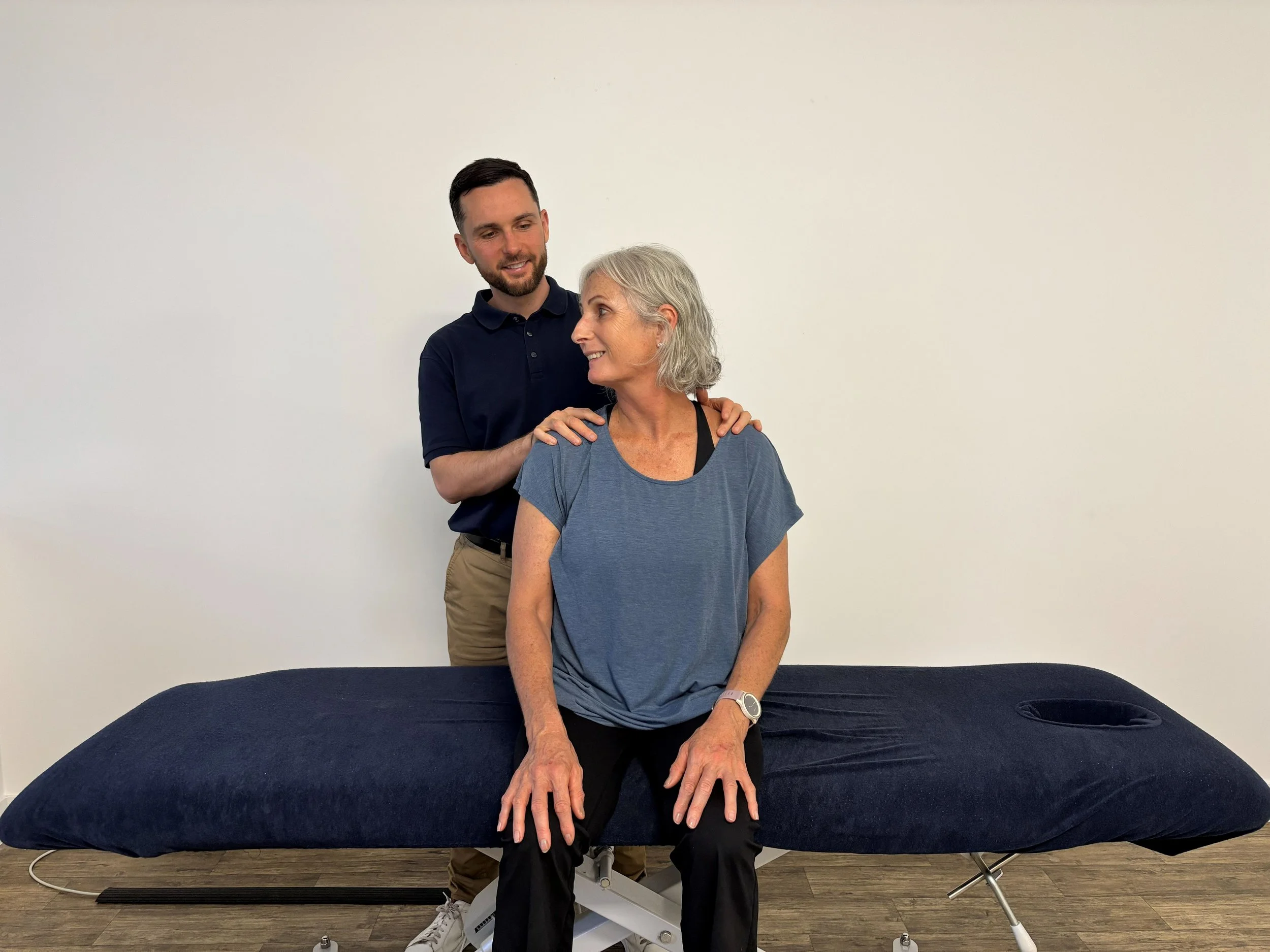
WHAT TO EXPECT FROM TREATMENT:
-

01. HISTORY & ASSESMENT
Understanding your symptoms Then targeted clinical testing.
-
02. EXPLANATION & PLAN
Clear explanation of findings and next steps
-
03. TREATMENT & REHAB
Hands-on care + exercise-based recovery plan
-
04. LIFESTYLE OPTIMISATION
Sleep, nutrition, stress management, supplementation
FREQUENTLY ASKED QUESTIONS
Still have questions? Contact us directly below
-
Temporomandibular disorders (TMD) can present in several ways, not just jaw pain. Common symptoms include:
Pain in the jaw, face, or around the ear
Clicking, popping, or grinding sounds when opening or closing the mouth
Difficulty or discomfort when chewing
Jaw locking or reduced ability to open fully
Headaches, neck pain, or even dizziness
Many people are surprised that jaw pain is often linked with neck and upper body tension, not just the jaw itself.
-
TMD is usually multifactorial, meaning there isn’t just one cause. Contributing factors may include:
Jaw muscle overactivity (clenching or grinding)
Stress and increased muscle tension
Neck dysfunction and poor posture
Previous injury (e.g. trauma, dental procedures)
Changes in joint loading or movement patterns
In many cases, it’s the combination of these factors over time that leads to persistent symptoms.
-
Yes — many mild cases of jaw pain can improve on their own, especially if they are short-term and related to temporary stress or overuse.
However, if symptoms:
Persist longer than a few weeks
Are getting worse
Include locking or significant restriction
then it’s worth getting assessed. Early management can help prevent longer-term issues.
-
The most effective approach is usually conservative, non-invasive care. This may include:
Education around habits (e.g. clenching awareness)
Gentle jaw and neck exercises
Manual therapy for the jaw, neck, and surrounding muscles
Load management (modifying chewing, talking, posture)
Stress management strategies
There is strong evidence that active rehabilitation and self-management are key components of long-term improvement.
-
You should consider seeking help if:
Pain is persistent or worsening
Your jaw locks or feels unstable
You have difficulty eating or talking comfortably
Symptoms are affecting sleep or daily function
An assessment can help identify contributing factors beyond the jaw itself, such as the neck, posture, and nervous system sensitivity.
START YOUR JAW PAIN RECOVERY TODAY:
If you’re experiencing ongoing jaw pain a structured assessment can help provide clarity and direction.
Early assessment can make a meaningful difference in understanding what may be contributing to your symptoms and how to move forward.